



Melasma Treatment for Darker Skin Tones: What Works
The best melasma treatment for darker skin is tinted sunscreen plus a prescription topical, with oral tranexamic acid for stubborn cases. Lasers are an adjunct.
By Angelica Alcaraz, BSN, RN
The melasma treatment with the strongest evidence in darker skin is not a laser. It is daily sun protection that also blocks visible light, plus a prescription topical, with oral tranexamic acid added for stubborn cases when a prescriber judges it safe. Lasers come after that, as an adjunct, and melasma comes back even when everything works. No treatment cures it.
That is not a pessimistic reading. It is what the American Academy of Dermatology says ("there is no one best treatment for melasma"), what a 2024 Latin American expert consensus says ("no treatment is entirely curative for melasma as yet, and relapses are common"), and what the trials below show.
First: is it actually melasma?
Melasma, post-inflammatory hyperpigmentation (the dark marks left after acne or irritation), sun spots and several less common conditions can look alike in a mirror. They respond very differently to treatment, and the wrong plan can darken the skin. The AAD notes that dermatologists often use a Wood's lamp or dermatoscope to see how deep the pigment sits, and sometimes a biopsy to rule out look-alikes.
So nothing on this page can tell a reader which condition they have. That takes an in-person assessment.
Why darker skin changes the rules
Skin in the Fitzpatrick III to VI range is more prone to post-inflammatory hyperpigmentation after heat, irritation or inflammation. That is the core problem with melasma treatment in brown skin: the main risk of an aggressive treatment, post-inflammatory hyperpigmentation, is more dark pigment, which is the thing being treated. Gentle and consistent beats strong and fast.
It also matters who was in the trials. The landmark FDA trials of triple combination cream enrolled only Fitzpatrick I to IV, and the label says plainly that safety and efficacy in types V and VI "have not been studied."
How to treat melasma on the face: the evidence, option by option
| Option | Best evidence we found | What it showed | The catch |
|---|---|---|---|
| Tinted sunscreen with iron oxide | Randomized trial, 68 patients, Mexico | With 4% hydroquinone, 15% greater MASI improvement than UV-only sunscreen at 8 weeks | Must match the skin tone and be reapplied |
| Triple combination cream (Tri-Luma) | Two FDA trials, 641 patients | Complete clearing at 8 weeks in 38% and 13% | Fitzpatrick V–VI not studied; 8-week course, not for maintenance |
| Oral tranexamic acid (off-label) | Placebo-controlled trial, 44 patients, mostly Hispanic women | 49% vs 18% severity reduction at 3 months | Prescription only; not for anyone with clot risk; benefit faded after stopping |
| Azelaic acid 20% | Randomized trial, 329 women | No significant difference from 4% hydroquinone | Slower; can sting |
| Cysteamine 5% | Placebo trial (50) and hydroquinone comparison (40) | Beat placebo; less effective than hydroquinone | Small trials |
| Low-fluence 1064 nm Q-switched laser | Split-face and placebo-controlled trials | Short-term lightening; no added benefit over topicals in a 2026 trial | Mottled light spots, rebound, recurrence |
Sun protection that blocks visible light
Ordinary sunscreen filters ultraviolet light. Visible light can also darken melanin-rich skin, and the protection against it comes mainly from tinted formulas that use iron oxides and pigmentary titanium dioxide. The AAD recommends zinc oxide, titanium dioxide or iron oxide for melasma patients, and suggests a tinted product when white cast is the barrier.
The best trial is from San Luis Potosí, Mexico: 68 melasma patients under intense sun, all using 4% hydroquinone, randomized to an iron-oxide sunscreen or a UV-only one. After eight weeks the iron-oxide group improved 15% more on MASI and 28% more on colorimetry.
To be fair to the other side: a 2025 trial of 42 women in a French summer found severity scores fell with both tinted and untinted sunscreen, with no significant difference between them, though the tinted group had more even color. That study was funded by the sunscreen maker. The honest summary is that high-protection sunscreen every day is essential, and a tint is a sensible upgrade for darker skin.
Hydroquinone and triple combination cream
Hydroquinone is still the reference topical. Since the CARES Act took effect on September 23, 2020, it can no longer be legally sold over the counter in the US, and in 2022 the FDA said Tri-Luma "is the only FDA-approved drug containing hydroquinone." The FDA also reports cases of ochronosis, a skin discoloration that "may be permanent," from over-the-counter skin-lightening products containing hydroquinone. That matters for patients tempted by imported creams.
Tri-Luma (fluocinolone 0.01%, hydroquinone 4%, tretinoin 0.05%) is approved for short-term treatment of moderate to severe facial melasma "in the presence of measures for sun avoidance." In the two FDA trials, 38% and 13% of patients reached complete clearing at eight weeks. The label also reports that in the extension period, "remission periods appeared to shorten" between courses and only about 1 to 2% stayed completely clear.
Tranexamic acid: the pill and the cream
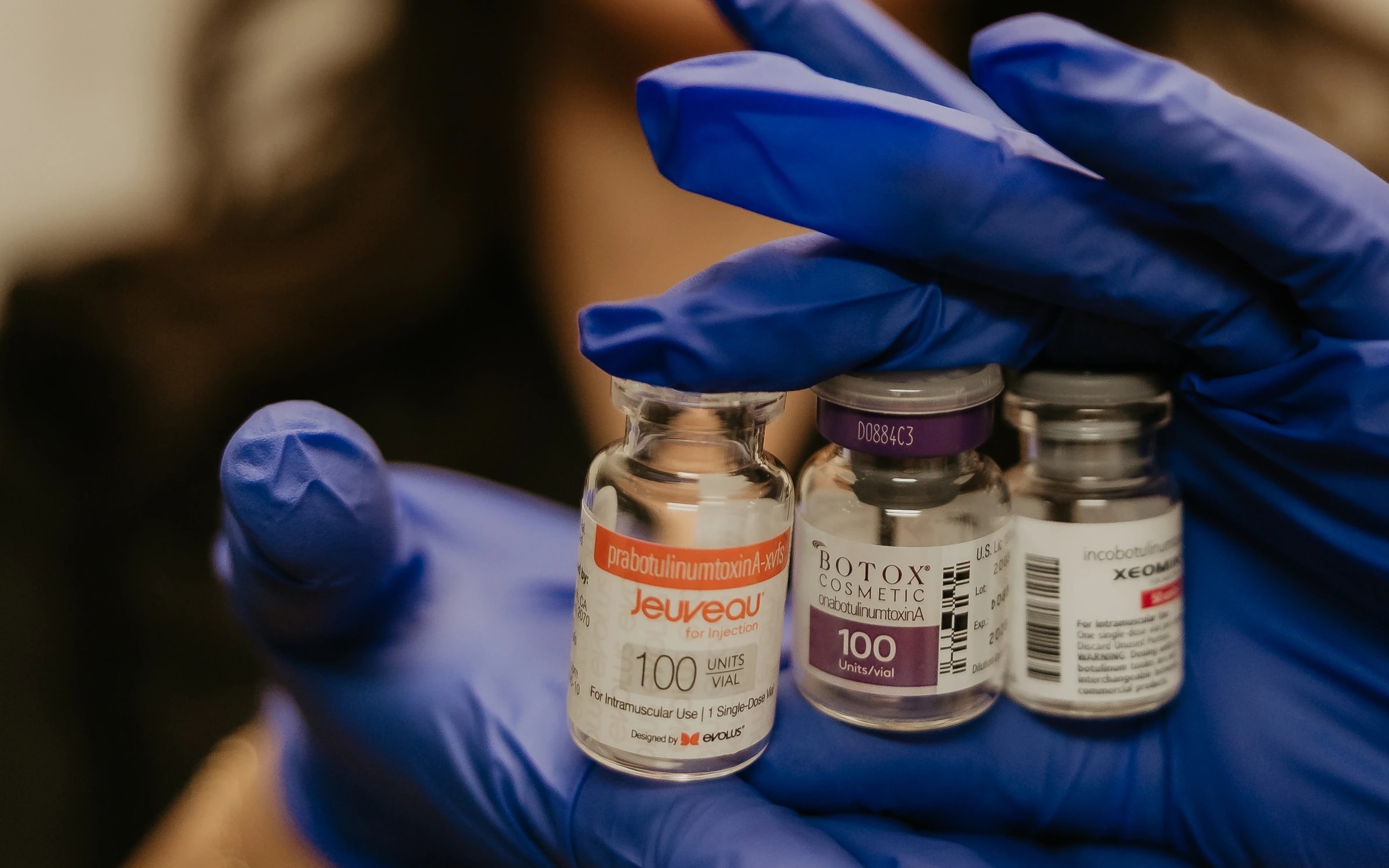
Oral tranexamic acid is FDA-approved (as Lysteda) for heavy menstrual bleeding, so using it for melasma is off-label. The most relevant trial for Salinas readers enrolled predominantly Hispanic women in Dallas: 250 mg twice daily cut severity scores by 49% at three months, against 18% on placebo. Three months after stopping, the advantage had largely gone (26% vs 19%).
The Lysteda label lists contraindications that matter here: use with combined hormonal contraceptives, and any active clot or "history or intrinsic risk of thrombosis or thromboembolism." This is a prescriber decision, never a supplement.
Topical tranexamic acid is weaker evidence than the marketing suggests. In a 2012 split-face trial, 5% tranexamic acid was no better than its vehicle cream and caused more redness. A 2024 split-face trial of 20 patients found 3% tranexamic acid performed similarly to 4% hydroquinone. Promising, not settled.
Azelaic acid and cysteamine
Both are gentler alternatives. In a 329-woman trial, 20% azelaic acid showed no significant difference from 4% hydroquinone. Cysteamine 5% beat placebo in a 50-patient trial (one author was affiliated with Scientis, the company behind the Cyspera cysteamine cream), but in a 40-woman comparison it reduced severity 38% against hydroquinone's 53% at 120 days.
Chemical peels
A meta-analysis of peel trials in darker skin types (478 patients) found superficial peels effective, with topicals used for maintenance. The Latin American consensus adds a firm line: "Medium-depth peels should be avoided." Superficial, carefully spaced chemical peels are a reasonable second step, not a shortcut.
Where lasers fit, and where they do not
Lasers are an adjunct, not first-line. The AAD's wording is careful: a few studies found that adding a laser "can improve results for patients who are already applying medication to their skin and protecting their skin from the sun." A widely cited review warns that laser and light therapies "carry a significant risk of worsening the disease."
The best-studied approach is low-fluence Q-switched 1064 nm Nd:YAG, and its record is mixed:
- In a 22-patient split-face trial, the laser side lightened far more after five sessions, but three patients developed mottled hypopigmentation (patchy white spots), four had rebound darkening, and every patient's melasma recurred.
- In a trial of Fitzpatrick IV and V patients, weekly laser performed no better than a prescription cream, and pigment returned in everyone after stopping.
- A 2026 placebo-controlled trial concluded the laser "did not add significant benefit beyond combination topical therapies."
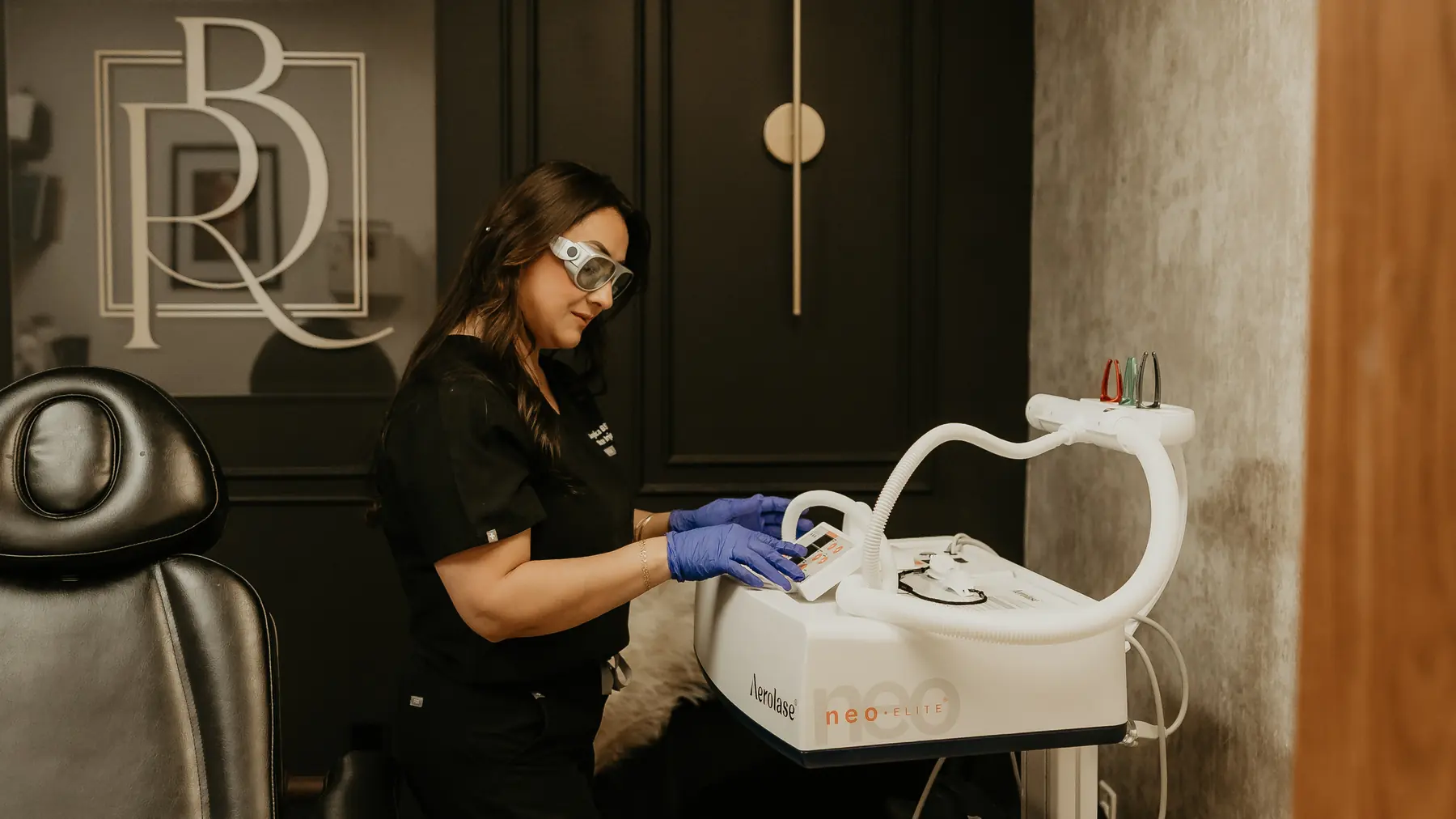
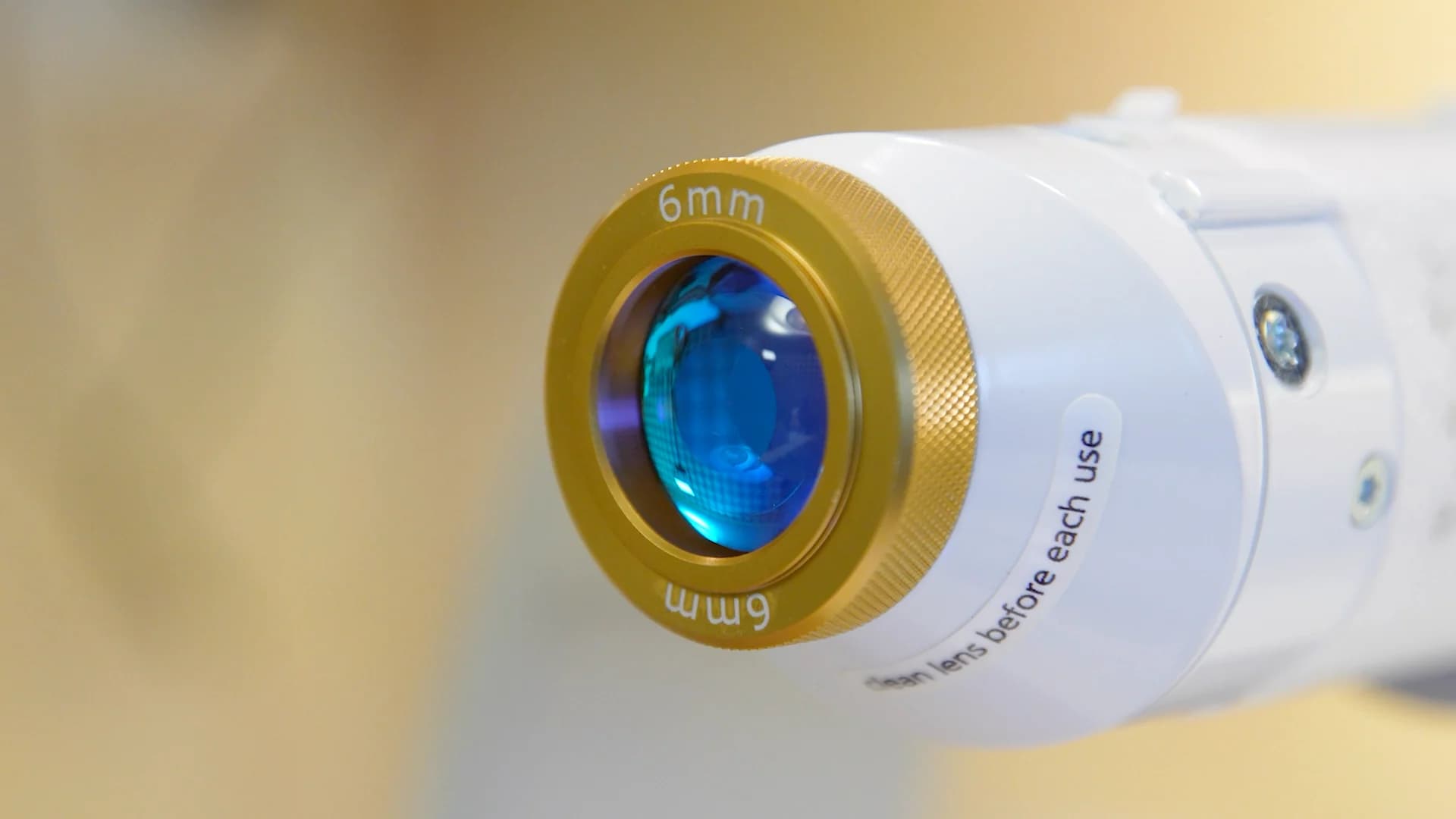
The Aerolase Neo Elite is a different device: a 1064 nm Nd:YAG laser using 650-microsecond pulse technology, with 30+ FDA-cleared indications and designed for Fitzpatrick I–VI. Its melasma-specific evidence is thin. The main published study is a 10-patient series with no control group, in which most patients saw up to 25% improvement after two treatments. That is a reason to try it carefully alongside topicals and sun protection, not a reason to expect it to work alone. Revive's melasma and pigment page describes parameters set conservatively on purpose, and notes that declining to treat is sometimes the right call.
IPL is not a melasma treatment for darker skin. It is broad-spectrum light rather than a laser, and the clinic's own IPL guidance lists melasma, and skin deeper than the device's listed range, as reasons to choose something else. The IPL aftercare post covers why deeper skin tones raise its burn risk.
What a realistic plan looks like
Most published plans follow the same order: confirm the diagnosis, start daily tinted sunscreen and a topical, add oral tranexamic acid for moderate to severe or stubborn cases where it is safe, and consider peels or a conservative laser series only once that base is in place. The AAD says results usually take three to 12 months. The Latin American consensus builds relapse prevention in from the start, because stopping treatment, pregnancy, hormones and sun all bring melasma back.
For those who add Aerolase, the published price ladder is $500 for a single full-face session, $1,350 for a Signature Series of 3, $1,800 for the five-session NeoBright Pigment Program, and $400–$450 per maintenance session after a completed series. How many Aerolase treatments people need explains the series logic, and Aerolase before and after shows what realistic change looks like. If glutathione is on the list, what glutathione does for the face explains why it is a weak lightener. The device itself is covered on the Aerolase Neo Elite hub.
Angelica Alcaraz, BSN, RN, will assess your specific needs during your consultation.
Frequently Asked Questions
Ready to transform
your skin?
Schedule a free consultation to discuss which treatments are right for you.