



Can You Use Lotion After IPL? What to Put on Your Skin
Yes. Philips and Ulike manuals allow lotion after IPL hair removal; wait if skin is red. What they say about retinol, glycolic acid, makeup and deodorant.
By Angelica Alcaraz, BSN, RN
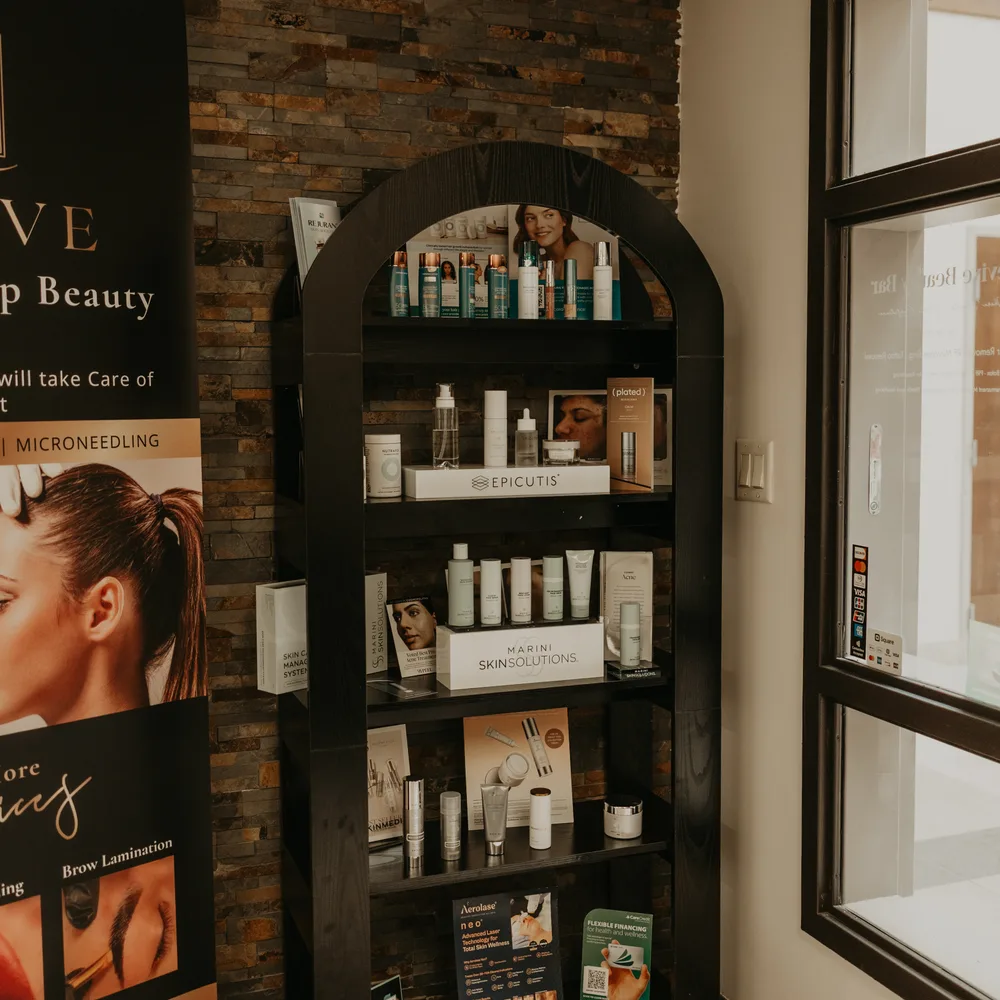
Yes, you can use lotion after IPL hair removal, and most device makers say so directly. Philips' Lumea manual says that after use "you can apply lotions, creams, deodorant, moisturizer or cosmetics to the treated areas." Ulike's Air 10 manual recommends body lotion. The one condition they share: if the skin is red or irritated, wait until that settles, and keep it plain. No fragrance, no alcohol, no acids.
Most people asking this are using a home IPL device, so that is where we start. Clinic IPL comes further down.
What the manuals and handouts actually say
| Philips Lumea (BRI950-series manual) | Braun Silk-expert Pro 5 | Ulike Air 10 | Sciton BBL (clinic handout) | ASDS (patient page) | |
|---|---|---|---|---|---|
| Lotion / moisturiser | Fine after use; wait if red or irritated | Avoid irritating products for 24 hours | Body lotion or cold gel recommended | Apply generously, reapply when dry | None for 24 hours or until redness goes, then twice daily |
| Makeup | Cosmetics fine after use | Not addressed | Not addressed | Usually fine immediately | Same 24-hour rule as lotion |
| Deodorant / perfume | Deodorant fine after use | Avoid perfumed products 24 hours | No alcohol-based products | Not addressed | Avoid before and after treatment |
| Retinoids | Do not use the device if used in the last 7 days | Do not use the device while using topical retinoids | Do not use the device while using topical retinoids | Not named | Not addressed |
| AHA / BHA / acids | Same 7-day exclusion | Avoid exfoliation products 24 hours | No acidic or alkaline products | Avoid exfoliants while healing, about a week | Not addressed |
| Sun | SPF 50, especially first 48 hours | SPF over 15 | No direct sun 48 hours, SPF 15+ | SPF 30+ daily, no direct sun 14 days | Not addressed |
Lotion and moisturiser: the sources disagree, mildly
For home devices, the manuals are relaxed. Philips allows lotions and moisturiser straight away, with the warning that if you see redness or irritation you should "wait until it disappears before applying any product." Ulike goes further and recommends lotion. Braun is the cautious one: "avoid any activity or skin products that may irritate your skin for 24 hours," naming perfumed products, bleaching creams and exfoliation products. A plain fragrance-free moisturiser is not on that list.
For clinic IPL, two respected sources point in different directions. Sciton's BBL handout says moisturiser "should be applied generously" over the treated area and reapplied whenever skin feels dry. The American Society for Dermatologic Surgery says to avoid makeup or lotion for 24 hours or until redness and stinging have gone, and then to "apply a good moisturizing lotion" twice daily for at least three months after the final treatment.
The overlap: once the skin stops stinging, a bland moisturiser is fine by every source.
One thing all three device makers agree on runs the other way: skin must be clean and free of lotion before you flash. Philips says not to use the device "if there is any lotion, gel or visible hair on your skin." Lotion after, never before.
Deodorant after underarm IPL
Philips lists deodorant as fine after use. Braun says to avoid perfumed products for 24 hours, and Ulike says to avoid products containing alcohol, which describes many deodorants. An unscented, alcohol-free product, or waiting until the next morning, satisfies all three.
Retinol, tretinoin and glycolic acid
This is where the popular advice is weakest.
The "stop retinoids 7 days before" rule does come from somewhere real. Philips' BRI950-series manual says never to use the device if your skin "is currently being treated with or has been treated in the last 7 days" with AHAs, BHAs, topical tretinoin or azelaic acid. Braun and Ulike list topical retinoids such as Retin-A as a reason not to use the device at all, with no washout period given. Philips' newer 7000/8000/9000 manual drops the 7-day line and instead tells users to check whether their medication causes light sensitivity, so even one brand's manuals do not match.
Note what those rules are: exclusions before treatment, not restart dates after it. With home devices used anywhere from every other day to every two weeks during the first phase, someone on nightly tretinoin may not fit the device's rules at all. That is a conversation for whoever prescribed the tretinoin.
For clinic IPL, we could not find a trial that sets a restart date. Sciton's handout never names retinoids; it says to avoid "exfoliants" while the skin heals, "typically one week." A 2016 literature review of tretinoin around facial procedures concluded that "the literature currently lacks definitive recommendations." The one controlled study we found that combined the two points the other way: in a 36-patient trial, a hydroquinone/0.05% tretinoin system was used daily for 90 days, with IPL on days 30 and 60, and that group improved more than the placebo group. That is one small study of one product system, not permission to restart retinol the next morning.
So the common "wait 5 to 7 days" or "7 to 10 days" after clinic IPL is convention. It roughly matches Sciton's one-week healing window, and it is a sensible default, but no trial produced it. If your skin is still pink, flaking or tender, it has not finished healing, whatever the calendar says.
Glycolic and salicylic acid fall under the same rule. Braun names exfoliation products for 24 hours, Ulike says no acidic products, Sciton says no exfoliants while healing. No source sets a day count beyond those.
Vitamin C is not named in any document we read. Many vitamin C serums are acidic, so Ulike's line about acidic products would cover them; otherwise treat it as a possible irritant and wait until the skin is calm.
Isotretinoin (Accutane) is different. An ASDS consensus panel in 2017 found insufficient evidence to delay "hair removal lasers and lights" in people taking or recently off isotretinoin, but Philips' BRI950-series manual still excludes anyone who has taken it in the last six months, and Braun and Ulike list it as a reason not to use their devices. For a home device, the manual's exclusion still applies.
Sunscreen is the one point everyone agrees on
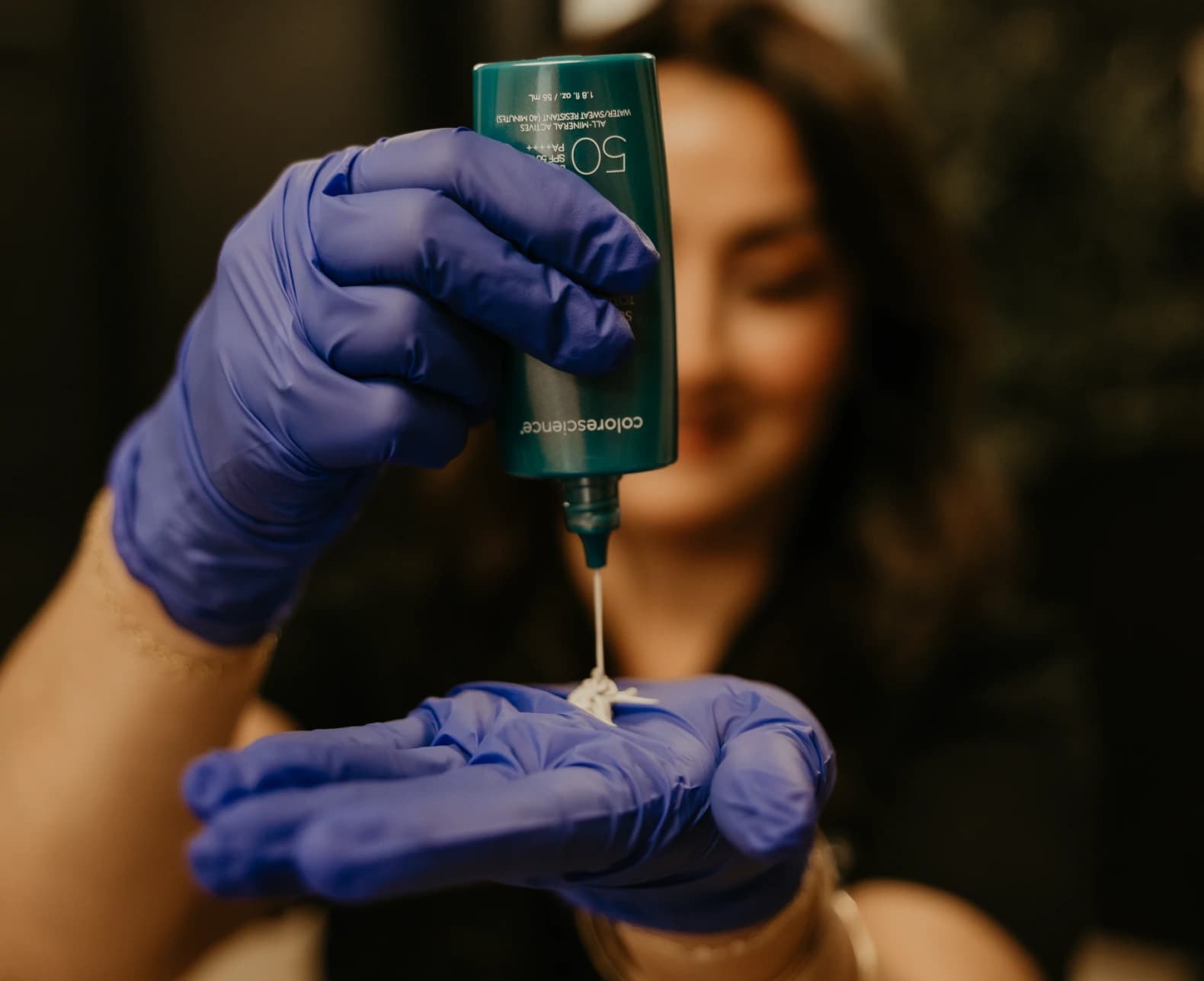
Every source that mentions it says protect treated skin from the sun: SPF 30 or higher in Sciton's handout, SPF 50 in Philips' manual, SPF 15 or higher in Braun's and Ulike's. The AAD tells laser hair removal patients to keep direct sunlight off treated skin.
If you had IPL in a clinic
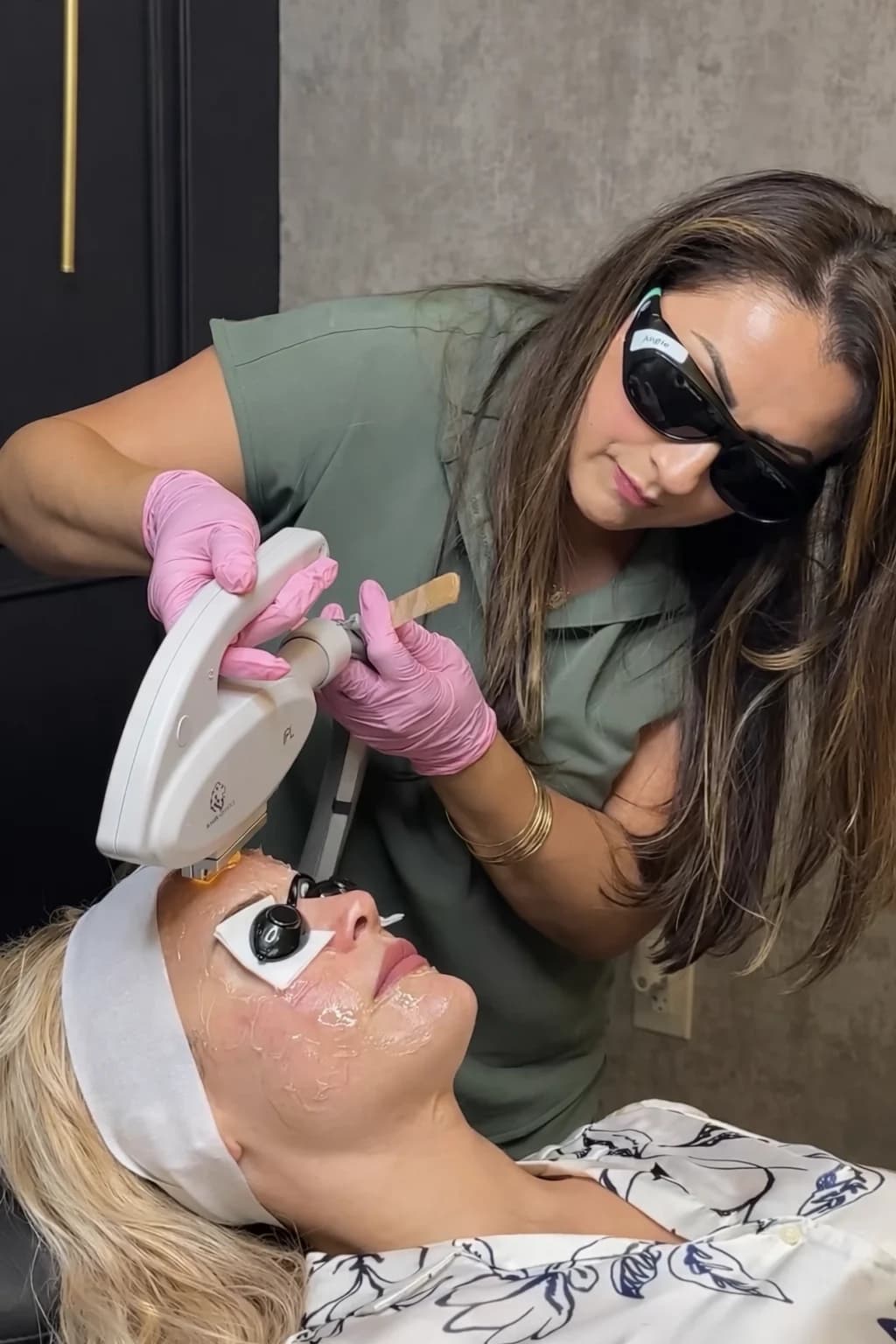
In-clinic IPL runs at higher energy than home devices, so redness, darkening of spots and flaking are more likely. At Revive, the IPL is a Rohrer Spectrum used for the IPL photofacial, rated for Fitzpatrick I to IV. Hair removal at Revive is done with an 810 nm diode laser, not IPL, and has its own aftercare; see laser hair removal. We could not find a public Rohrer patient handout, so the clinic guidance above comes from Sciton and the ASDS.
For the rest of the aftercare picture, see can you shower after IPL, exercise after IPL and what to avoid after your IPL treatment.
Angelica Alcaraz, BSN, RN, will assess your specific needs during your consultation.
Frequently Asked Questions
Read tips, insights, and stories
Recent blogs
Ready to transform
your skin?
Schedule a free consultation to discuss which treatments are right for you.