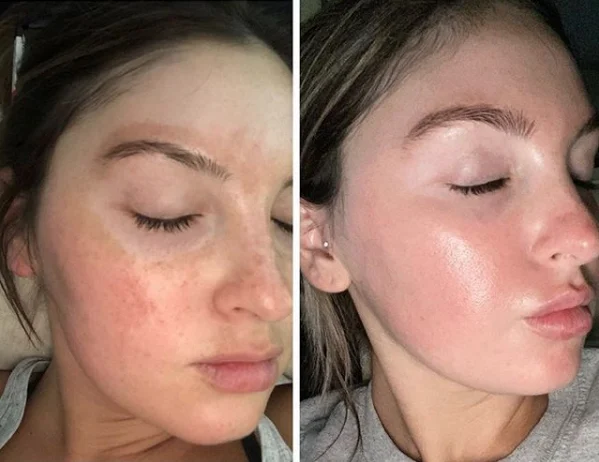
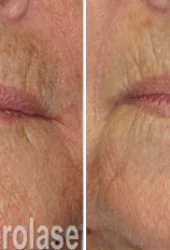
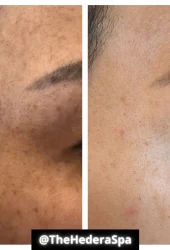
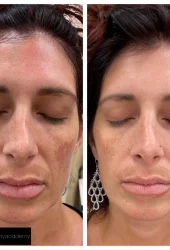
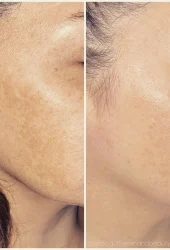
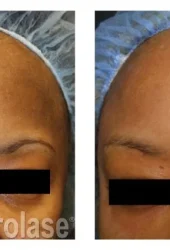
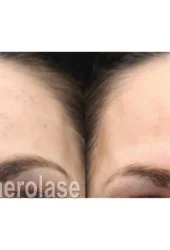
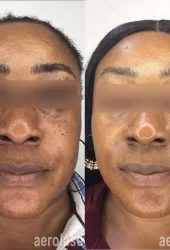
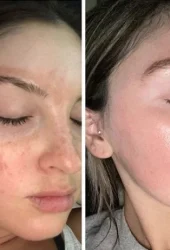
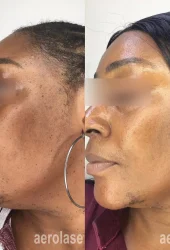
Fade Melasma for Good
Safe, Gentle, Effective—Even Skin Tone Without the Harsh Side Effects
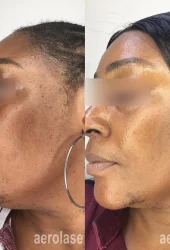
Frustrated with Stubborn Melasma That Won't Fade?
Ineffective Topical Treatments
Hydroquinone creams, Tri-Luma, and other topicals take months to show minimal results—and can cause irritation:
- Hydroquinone causes redness, dryness, and sensitivity
- Tri-Luma costs $300+ per tube with slow results
- Requires 8+ weeks of daily application
- High recurrence rate when treatment stops
Fear of Making It Worse
Many melasma treatments carry serious risks, especially for darker skin tones:
- Chemical peels can cause post-inflammatory hyperpigmentation
- IPL and traditional lasers often darken melasma
- Harsh treatments trigger inflammation and worsen pigmentation
Ongoing Battle with Recurrence
Even when treatments work, melasma often returns:
- Hormonal fluctuations trigger new patches
- Sun exposure causes immediate darkening
- Constant worry about flare-ups
Why Aerolase Outperforms Traditional Melasma Treatments
| Treatment | Safe for Dark Skin | Irritation Risk | Results Timeline | Downtime | Recurrence Prevention |
|---|---|---|---|---|---|
| Aerolase Laser | ✓ Yes (All types) | ✓ None | ✓ 2-3 treatments | ✓ None | ✓ Excellent |
| Hydroquinone (HQ) | ✓ Yes | ✗ High irritation | 8-12+ weeks | ✓ None | ✗ High recurrence |
| Tri-Luma Cream | ✓ Yes | ✗ Moderate irritation | 8+ weeks | ✓ None | ✗ High recurrence |
| Chemical Peels | ✗ Risk of worsening | ✗ High | 4-6 weeks | ✗ 7-14 days | ✗ Moderate |
| IPL Therapy | ✗ Can worsen dark skin | ✗ Moderate | 3-5 treatments | ✗ 3-7 days | ✗ Moderate |
| Microneedling | ✓ Yes | ✗ Moderate | 4-6 treatments | ✗ 3-7 days | ✗ Moderate |
The Clear Winner: Aerolase safely fades melasma without irritation, inflammation, or the risk of post-inflammatory hyperpigmentation—critical for darker skin tones.
Introducing Aerolase: The Gentle, Effective Melasma Solution Salinas Has Been Waiting For
Aerolase uses advanced 650-microsecond laser technology to safely break down excess pigmentation at multiple skin depths—without the irritation, inflammation, or risks of traditional treatments. Unlike harsh topicals or dangerous peels, Aerolase is specifically designed for sensitive, pigmentation-prone skin, making it the safest and most effective solution for melasma.
🎯 Safe for All Skin Types
Unlike IPL or chemical peels that can worsen melasma in darker skin, Aerolase is safe for everyone:
- FDA-cleared for all Fitzpatrick skin types (I-VI)
- No risk of post-inflammatory hyperpigmentation
- Targets melanin without damaging surrounding tissue
- Perfect for Salinas' diverse community
⚡ Gentle & Effective
Get dramatic results without the harsh side effects of topical treatments:
- No irritation, redness, or skin sensitivity
- Comfortable treatment with gentle warmth
- Zero downtime—return to activities immediately
- Visible fading within 2-3 treatments
✨ Long-Lasting Results
Unlike topicals that require endless daily application:
- Breaks down pigmentation at multiple depths
- Prevents melanin overproduction
- Lower recurrence rate with proper sun protection
- Restores natural, even skin tone
How Aerolase Melasma Treatment Works
Consultation
Meet with Angelica Alcaraz BSN, RN to assess your melasma, identify triggers, and create a personalized treatment plan tailored to your skin type.
Laser Treatment
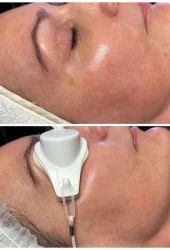
The Aerolase laser delivers precise 650-microsecond pulses that target excess melanin at multiple skin depths without irritating surrounding tissue. You'll feel gentle warmth.
See Results
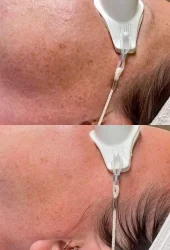
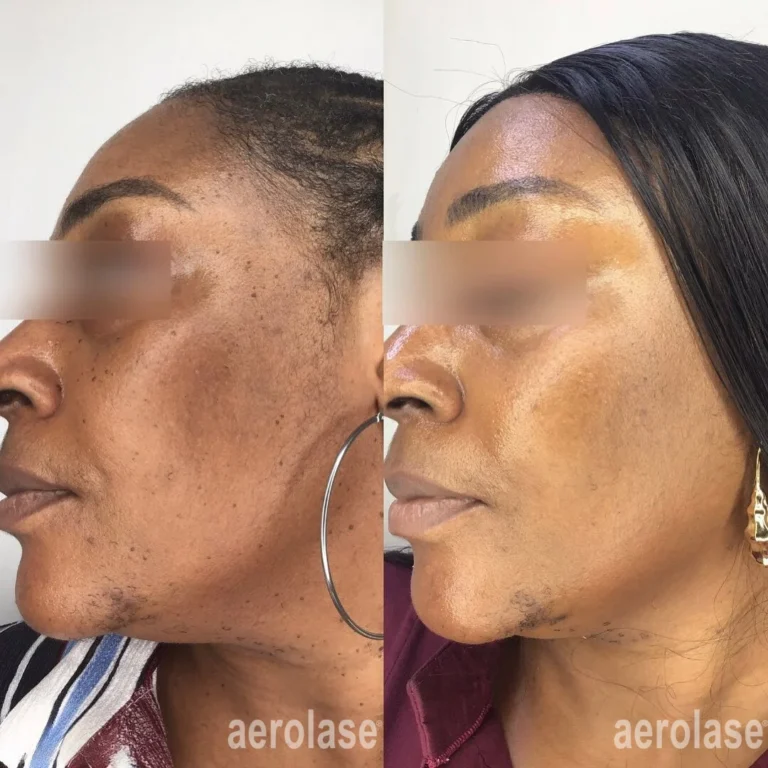
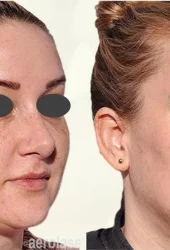
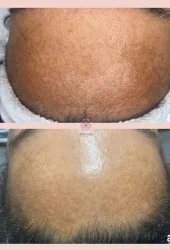
Most patients see visible fading after 2-3 treatments spaced 4-6 weeks apart. Your skin gradually lightens as the body naturally eliminates fragmented pigment.
Maintain Clear Skin
No downtime means immediate return to activities. With proper sun protection and occasional maintenance treatments, enjoy long-lasting, even-toned skin.
Salinas' Premier Destination for Safe Melasma Treatment
Locally Owned
Proud members of the Salinas community
Easy Access
Convenient location serving all of Monterey County
Personalized Care
Building lasting relationships with our clients
Frequently Asked Questions
What treatment is best for melasma?3
Aerolase laser treatment is the most effective solution for melasma, especially for patients with darker skin tones where traditional treatments fail. While topical hydroquinone (the former gold standard) can cause significant irritation and takes 8-12+ weeks to show results, Aerolase safely breaks down excess pigmentation at multiple skin depths in just 2-3 treatments without harsh side effects. It’s particularly effective because it targets melanin without damaging surrounding tissue or causing post-inflammatory hyperpigmentation—making it safe for all skin types, including Fitzpatrick types IV-VI where other lasers and peels risk worsening the condition.
Is melasma genetic or hormonal?
Is Aerolase safe for all skin types?
Yes! Aerolase is FDA-cleared and uniquely safe for all skin types, including darker skin tones (Fitzpatrick types IV-VI) that are most prone to melasma. The 650-microsecond pulse duration targets pigmentation without causing post-inflammatory hyperpigmentation—a major risk with IPL, traditional lasers, chemical peels, and even some topical treatments. Unlike hydroquinone which can cause ochronosis (permanent darkening) with prolonged use, or IPL which often worsens melasma in dark skin, Aerolase’s gentle technology makes it the safest professional melasma treatment available. This makes it perfect for Salinas’ diverse community, where a significant portion of melasma patients have skin types III-V.
Does Aerolase melasma treatment hurt?
Most patients describe Aerolase as comfortable, with a sensation of gentle warmth on the skin. Unlike chemical peels (which can burn), microneedling (which punctures the skin), or IPL (which can feel like rubber band snaps), Aerolase is non-ablative and requires no numbing cream. The advanced 650-microsecond pulse duration delivers powerful pigment-breaking energy without the prolonged heat exposure that causes discomfort. There’s no burning, stinging, or significant pain. The treatment is so comfortable that even patients with sensitive, melasma-prone skin tolerate it extremely well. This gentle approach is especially important for melasma, where inflammation and irritation can trigger more pigmentation.
Can melasma go away?
Melasma can fade significantly with proper treatment, but it requires a comprehensive approach because it’s influenced by multiple factors. Aerolase laser treatment effectively reduces melasma pigmentation by 60-80% in most patients after a series of 2-4 treatments. However, melasma is a chronic condition influenced by hormones (pregnancy, birth control, hormone therapy), sun exposure, and genetics. With Aerolase treatment combined with medical-grade skincare (vitamin C, niacinamide, azelaic acid) and strict sun protection (SPF 50+ daily, mineral-based sunscreen), many patients achieve dramatic, long-lasting improvement. Maintenance treatments 1-2 times per year help prevent recurrence.
Which vitamin deficiency causes melasma?
Vitamin B12 deficiency has been strongly linked to melasma development. Multiple studies show melasma is often found in people with abnormal liver function and vitamin B12 deficiency. Iron deficiency anemia may also contribute to hyperpigmentation. While correcting these nutritional deficiencies through supplementation and improved diet is important for overall skin health, it alone rarely resolves existing melasma pigmentation that has already formed. Aerolase laser treatment effectively breaks down the accumulated melanin deposits while you address underlying nutritional factors with your healthcare provider, providing comprehensive results that nutritional changes alone cannot achieve.
How long do melasma laser treatment results last?
Aerolase melasma results typically last 6-12+ months with proper maintenance and sun protection. However, because melasma is influenced by hormones, sun exposure, and genetic factors, it’s considered a chronic condition that requires ongoing management. Most patients maintain clear, even skin tone with: (1) Strict daily sun protection (SPF 50+, mineral sunscreen, wide-brim hats), (2) Maintenance Aerolase treatments 1-2 times per year, (3) Medical-grade skincare (vitamin C, niacinamide, gentle retinoids), and (4) Avoiding hormonal triggers when possible. This makes Aerolase far more effective long-term than topical treatments which require continuous daily application and still show high recurrence rates. Many patients enjoy years of clear skin with this maintenance protocol.
What is the downtime after treatment?
There is ZERO downtime with Aerolase melasma treatment. You can apply makeup and return to work, exercise, and all normal activities immediately after your session. Your skin may appear slightly pink for 1-2 hours (similar to a mild sunburn), but this quickly fades. Unlike chemical peels that cause visible peeling for 7-14 days and require you to hide your face, or IPL that causes crusting and scabbing for up to a week, Aerolase allows you to maintain your busy schedule without interruption. This makes it perfect for Salinas professionals, parents, and anyone who can’t afford extended recovery time. Just remember to apply sunscreen diligently after treatment—sun protection is critical for maintaining results.
How do I get started?
Simply book your free consultation with Angelica Alcaraz BSN, RN at Revive Beauty Bar. We’ll evaluate your melasma severity, identify potential triggers, assess your skin type, answer all your questions, and create a customized treatment plan designed specifically for your needs. We’ll also discuss important factors like sun protection, skincare products, and realistic expectations. There’s no obligation—just honest, expert guidance on achieving the clear, even skin tone you deserve. Call us or book online today to take the first step toward fading melasma for good.
What is the root cause of melasma?
Melasma is caused by multiple factors that trigger excess melanin production. The primary causes include: (1) Hormonal fluctuations—pregnancy (“the mask of pregnancy”), birth control pills, and hormone replacement therapy are major triggers; (2) UV radiation exposure—even brief sun exposure can activate melanocytes; (3) Genetic predisposition—approximately 50% of cases have a family history component; and (4) Nutritional deficiencies—particularly vitamin B12 and iron deficiency. Melasma is also more common in people with Fitzpatrick skin types III-VI. This complex, multi-factorial nature is why comprehensive treatment like Aerolase—which addresses pigmentation at its source while being safe for hormonally-influenced skin—is more effective than surface-only treatments like topical creams.
How to fade melasma fast?
The fastest way to fade melasma safely is with Aerolase laser treatment combined with strict sun protection. While topical treatments like hydroquinone or Tri-Luma require 8-12+ weeks of daily application with frequent irritation, Aerolase delivers visible fading in just 2-3 treatments spaced 4-6 weeks apart—meaning you can see significant improvement in 2-3 months without the harsh side effects. The key to “fast” melasma fading is: (1) Professional laser treatment (not just topicals), (2) Strict sun protection (SPF 50+, mineral-based, reapplied every 2 hours), (3) Medical-grade skincare to support results, and (4) Addressing underlying triggers (hormones, nutritional deficiencies). DIY treatments and natural remedies typically show minimal results over many months.
How many treatments will I need?
Most patients see significant melasma fading with 2-4 Aerolase treatments spaced 4-6 weeks apart. The exact number depends on: (1) Melasma severity and depth (epidermal melasma responds faster than dermal), (2) Your skin type (lighter skin types may see results slightly faster), (3) How long you’ve had melasma (newer melasma typically responds better), and (4) Underlying triggers (pregnancy-related melasma may require more treatments). During your consultation, Angelica will assess your specific case and provide a realistic treatment timeline. After your initial series, maintenance treatments 1-2 times per year help prevent recurrence and keep your skin clear long-term.
What should I avoid after melasma laser treatment?
After Aerolase melasma treatment, avoid: (1) Direct sun exposure for 48 hours (wear wide-brim hat outdoors), (2) Hot tubs, saunas, and vigorous exercise for 24 hours (heat can increase sensitivity), (3) Harsh skincare products (retinoids, acids, scrubs) for 3-5 days, and (4) Picking or scrubbing the treated area. Most importantly, apply broad-spectrum SPF 50+ sunscreen every 2 hours when outdoors—this is the single most important factor in preventing melasma recurrence. You can resume normal skincare and activities within 24-48 hours, but sun protection must be maintained indefinitely as UV exposure is a primary melasma trigger. We’ll provide specific post-treatment instructions tailored to your skin and treatment intensity.
Ready to Fade Melasma for Good?
Join Monterey County residents who have discovered the safe, effective solution to stubborn melasma. Achieve the clear, even skin tone you deserve—gently, safely, and beautifully.
Experience the Revive Beauty Bar difference today.
Visit Us Today!
Revive Beauty Bar is a luxurious modern aesthetic studio located in the heart of downtown Salinas, offering an intimate and welcoming environment where personalized beauty experiences thrive. Nurse Angelica is dedicated to providing outstanding services designed to help you look and feel your best, including Botox injections, microneedling, laser treatments, and skincare solutions.
Hours
Monday–Friday | 11am–6pm
Saturday | 10am-2pm
Sunday | Closed